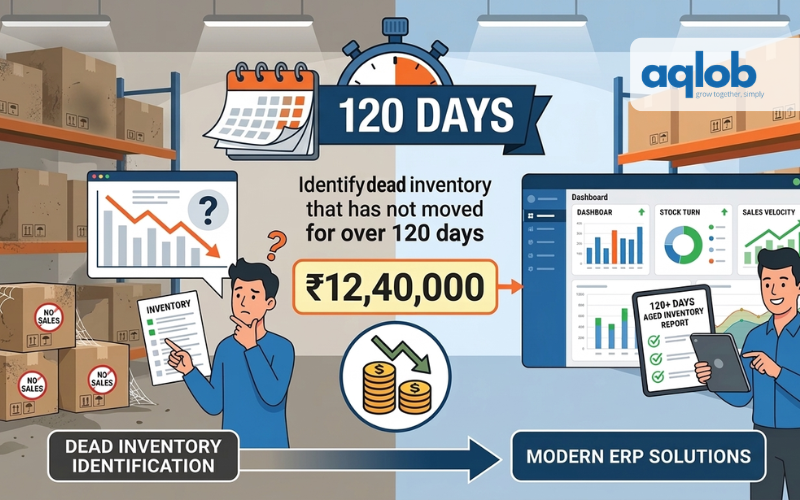
A growing food ingredients manufacturer was able to eliminate stock problems and save working capital by streamlining inventory and operations with a modern, automated system. Before this change, the company struggled with overstocking, stockouts, and limited visibility into what was already ordered or in transit from international suppliers.
Company Background
The business manufactures and distributes specialty food ingredients to B2B buyers. With a fast-moving product mix, fluctuating demand, and strict quality standards, they needed accuracy, speed, and end-to-end visibility in operations.
Challenges Before Streamlining Inventory and Operations
1. Lack of Real-Time Stock Visibility
Inventory data was maintained in spreadsheets. Updates were delayed, leading to incorrect stock availability and planning mistakes.
2. Manual Procurement and Stock Movement
Purchase orders, stock transfers, and goods receipts were documented manually, which resulted in delays, errors, and miscounts.
3. Poor Demand Forecasting
Fast-moving ingredients often ran out of stock, while slow-moving products occupied storage for long periods, blocking capital.
4. Difficulty in Batch and Expiry Tracking
Batch numbers and expiry dates were tracked manually, increasing compliance risks and chances of wastage.
5. No Visibility for Imported Goods in Transit
The purchase team lacked real-time visibility on imported material, including:
- Items already ordered
- Quantities currently in transit
- Expected arrival dates
This uncertainty disrupted planning, production scheduling, and customer commitments.
Solution Implemented
The company adopted a modern inventory automation and ERP system tailored for manufacturers and distributors. Key improvements included:
Real-Time Inventory Monitoring
Live stock levels across warehouses made planning more accurate and reduced stockouts.
Visibility of International Orders and Shipments
The business gained clarity into what was ordered, what was in transit, and when it would arrive. This improved procurement planning and production scheduling.
Automated Procurement and Stock Movement
Purchase orders, goods receipts, stock adjustments, and transfers were automated, resulting in faster processing and fewer errors.
Batch and Expiry Tracking
Every stock movement was linked to batch numbers and expiry dates, ensuring traceability and reducing wastage.
Inventory Analytics and Forecasting
The system provided insights into slow-moving, fast-moving, and high-value items, enabling better stocking decisions based on demand.
Reference for inventory categorization: https://en.wikipedia.org/wiki/ABC_analysis
Results Achieved
| Improvement | Impact |
|---|---|
| Reduction in stockouts | 40% improvement in product availability |
| Reduction in overstocking | 30% decrease in slow-moving stock |
| Visibility of imported goods | More accurate planning and scheduling |
| Reduced manual errors | 50% reduction in data entry corrections |
| Improved compliance | Full batch and expiry traceability |
Financial Impact
Reduced overstocking freed up valuable working capital that could be invested back into business growth.
Key Takeaways
- Streamlining inventory and operations enables companies to reduce waste, improve planning, and increase profitability.
- Real-time visibility into ordered and in-transit goods strengthens purchasing and production planning.
- Automated batch and expiry tracking lowers the risk of losses and compliance issues.
- Data-driven inventory control supports better forecasting and cost management.
Related Reading
To learn how businesses reduce stock issues and improve efficiency, read our article on inventory management best practices:
Learn More