For many MSME owners, Excel feels like a trusted partner.
At the start, it’s simple and reliable.
Over time, it becomes familiar.
Eventually, it feels indispensable.
You track purchases in Excel. You log sales in Excel. You manage inventory—and yes—GST too, again in Excel.
Initially, this setup works well. However, as the business grows, the same spreadsheets that once helped you move fast begin to slow you down quietly.
That’s when the real discussion around ERP vs spreadsheets begins.
Why Excel Feels Comfortable at First
To begin with, Excel doesn’t demand change. There’s no training, no setup, and no learning curve.
For early-stage MSMEs, this comfort matters because:
- Data volumes are limited
- One or two people manage most tasks
- Processes are flexible rather than fixed
- Reporting needs are basic
As a result, Excel provides a strong sense of control.
Over time though, businesses evolve. Unfortunately, Excel doesn’t evolve with them.
When Excel Starts Creating Stress Instead of Control
Most MSME owners don’t suddenly decide that Excel is the problem. Instead, the issues appear gradually, woven into daily operations.
1. “Which File Has the Correct Number?”
At first, one file is enough. Later, multiple files enter the picture:
- One for purchases
- Another for sales
- A third for inventory
- Plus a few personal versions with edits
Consequently, numbers stop matching. Instead of analysing data, you end up questioning it.
2. Small Mistakes, Big Consequences
A formula gets overwritten.
A row is deleted by mistake.
Someone pastes values instead of formulas.
Because Excel offers no safeguards, these errors go unnoticed. Eventually, they surface as stock mismatches, billing gaps, or incorrect GST figures.
In short, Excel calculates well—but it doesn’t understand your business.
3. Answers Take Too Long
As operations expand, even simple questions feel heavy:
- What is my actual stock today?
- Which items need reordering?
- Who hasn’t paid yet?
- Is this month profitable or just busy?
With spreadsheets, answers arrive late. More often than not, they come after checking multiple files, usually at the end of a long day.
4. Team Growth Adds Friction
As soon as more people get involved, new challenges appear:
- Files are overwritten
- Versions conflict
- Accountability becomes unclear
Simply put, Excel was built for individuals, not growing teams.
5. Growth Feels Messy
Naturally, growth brings more customers, more SKUs, and more orders.
However, it also brings more follow-ups, more manual work, and more confusion. As a result, excitement slowly turns into overwhelm.
What Changes When MSMEs Move to ERP
Unlike spreadsheets, ERP doesn’t just manage data—it reduces mental load.
Once implemented, day-to-day operations begin to feel noticeably different.
1. One Place for Everything
Instead of searching for the right file, you work from a single system.
An ERP provides:
- One centralized database
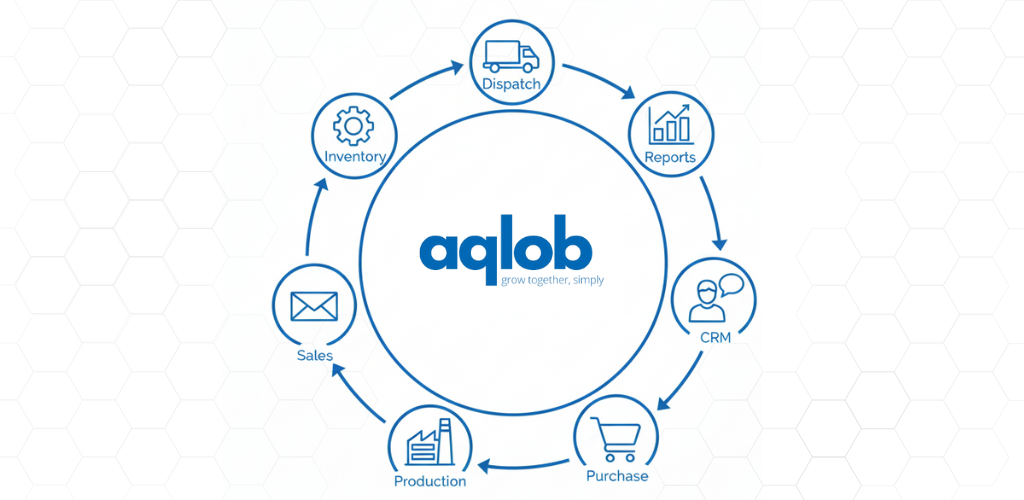
- Connected purchase, sales, inventory, and accounts
- Consistent numbers across the business
Because of this, you stop chasing data. Instead, data supports your decisions.
2. Less Manual Work, Fewer Errors
With ERP, routine processes are automated:
- Stock updates happen instantly
- Taxes are calculated correctly
- Reorder alerts appear on time
- Approvals follow defined rules
As a result, your team focuses on meaningful work rather than fixing avoidable mistakes.
3. Clear Visibility, Every Day
Through dashboards and reports, ERP shows you:
- Where the business stands today
- What needs immediate attention
- What can be planned calmly
Consequently, decisions feel grounded because they rely on live data, not assumptions.
4. Teams Work Together Seamlessly
ERP introduces structure without rigidity:
- Role-based access
- Clear ownership
- Complete activity tracking
This way, everyone works together—without stepping on each other’s work.
5. Growth Becomes Structured
Whether you add new staff, expand locations, or increase order volumes, ERP scales smoothly.
Instead of breaking workflows, it absorbs growth.
ERP vs Spreadsheet: A Practical Comparison
| Area | Excel & Spreadsheets | ERP System |
|---|---|---|
| Daily Effort | High | Low |
| Errors | Frequent | Controlled |
| Visibility | Delayed | Real-time |
| Team Usage | Difficult | Seamless |
| Growth Readiness | Stressful | Structured |
The Question Every MSME Owner Eventually Asks
Initially, the thought is:
“Can I continue using Excel?”
Later, it changes to:
“Why does running my business feel so exhausting?”
If your days involve reconciling files, checking numbers repeatedly, and staying up late for reports, Excel is no longer saving time—it’s draining it.
When Is the Right Time to Move Beyond Excel?
You’re ready for ERP if:
- The number of Excel files keeps increasing
- Decisions feel reactive rather than planned
- Only specific people can explain the numbers
- You want clarity instead of constant checking
Ultimately, ERP isn’t about software. It’s about regaining control.
Final Thought
Excel helps you begin.
ERP helps you grow with clarity.
For MSMEs that want progress without chaos and systems without stress, moving beyond spreadsheets isn’t a big leap.
It’s the natural next step.